Molecular Gastronomy: Science of Food
Explore the scientific principles behind food!
Class Description
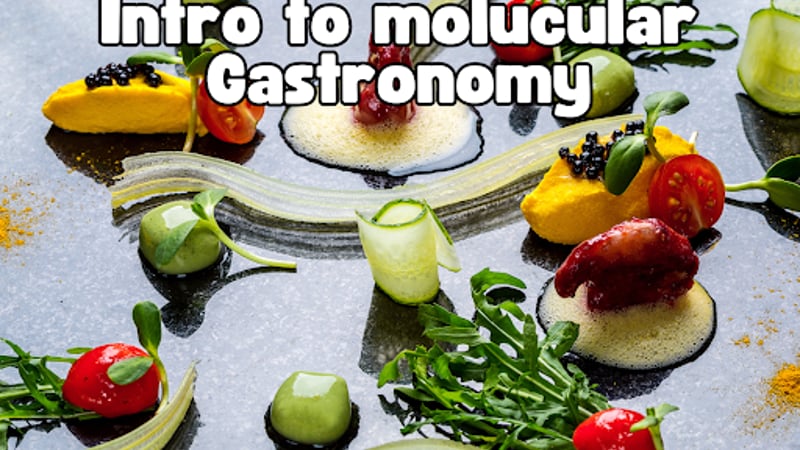
In this hands-on class, students will embark on a culinary adventure that uncovers the fascinating science behind everyday cooking and baking. Each session blends fun experiments with tasty creations, sparking curiosity as students see, touch, and taste the science at work in their food. Projects may include making edible slime to explore elasticity, layering colorful drinks to study density, or extracting natural food dyes from plants. Students might experiment with the gelling properties of agar and gelatin, create liquid-filled candies, or even try molecular gastronomy techniques like spherification. Along the way, they’ll gain a deeper understanding of chemistry while practicing creativity, problem-solving, and critical thinking. By the end of the course, students will be equipped with the knowledge and confidence to keep experimenting in their own kitchens. Please note: This class requires access to a kitchen space with tables, sinks, and outlets. Basic cooking equipment such as mixing bowls, measuring cups, spoons, and stovetop or hot plates will be needed. As students will be handling food, please confirm any allergy restrictions in advance. A materials fee will be included.
Available In
Molecular Gastronomy: Science of Food
Explore the scientific principles behind food!
Class Description
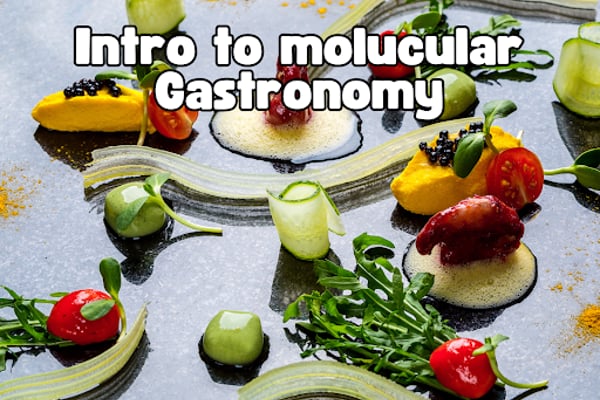
In this hands-on class, students will embark on a culinary adventure that uncovers the fascinating science behind everyday cooking and baking. Each session blends fun experiments with tasty creations, sparking curiosity as students see, touch, and taste the science at work in their food. Projects may include making edible slime to explore elasticity, layering colorful drinks to study density, or extracting natural food dyes from plants. Students might experiment with the gelling properties of agar and gelatin, create liquid-filled candies, or even try molecular gastronomy techniques like spherification. Along the way, they’ll gain a deeper understanding of chemistry while practicing creativity, problem-solving, and critical thinking. By the end of the course, students will be equipped with the knowledge and confidence to keep experimenting in their own kitchens. Please note: This class requires access to a kitchen space with tables, sinks, and outlets. Basic cooking equipment such as mixing bowls, measuring cups, spoons, and stovetop or hot plates will be needed. As students will be handling food, please confirm any allergy restrictions in advance. A materials fee will be included.
Available In
Interested in Bringing Molecular Gastronomy: Science of Food to Your School?
Whether you're a school looking to bring enrichment programs or an instructor who wants to teach, we'd love to hear from you.
For Schools & Partners
We handle instructor matching, scheduling, and payments so you can focus on your students.
For Instructors
Do you teach Culinary Arts? Join our network of teaching artists and coaches.